The Essential Role of Check Valves in Hydraulic Systems
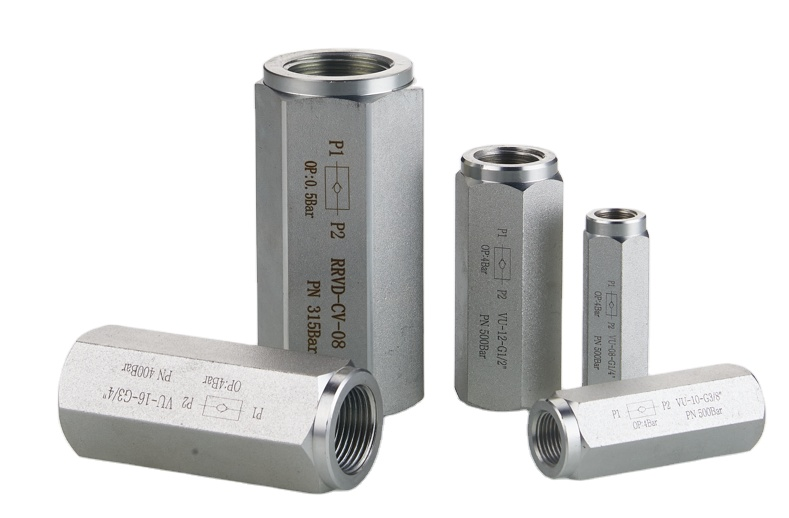
In hydraulic systems, check valves serve as fundamental safety and control components by ensuring unidirectional fluid flow while preventing potentially damaging backflow. These vital devices protect sensitive components from reverse pressure, mitigate water hammer effects, and help maintain optimal system pressure integrity. Their proper implementation is crucial for achieving reliable and efficient hydraulic operation across diverse industrial applications.

Understanding Check Valve Fundamentals
Check valves, also known as one-way valves, are precisely engineered hydraulic elements that permit fluid passage in a single direction while automatically blocking flow reversal. They perform several critical functions:
Directional Flow Management
When positioned downstream from hydraulic pumps, check valves prevent reverse flow that could lead to pump damage, reverse rotation, or system failure. They effectively shield system components from back pressure surges and water hammer phenomena.
Pressure Regulation Capabilities
Certain check valve configurations function as pressure-relief devices, opening at predetermined pressure thresholds to divert excess fluid to the reservoir, thereby maintaining system pressure within safe operating parameters.
Flow Control Features
Specialized check valve designs incorporate calibrated orifices or adjustable openings to provide precise flow rate management alongside their primary directional control function.
Industrial Applications of Hydraulic Check Valves
These versatile components ensure operational safety, efficiency, and reliability in numerous sectors:
Agricultural Equipment
Integrated into tractors, combine harvesters, and precision irrigation systems, check valves maintain consistent hydraulic performance for implements and attachments while ensuring uninterrupted fluid delivery.
Construction and Heavy Machinery
Essential for excavators, loaders, mobile cranes, and similar equipment, they provide secure control of hydraulic cylinders, prevent unintended movements, and stabilize pressure during rigorous operational cycles.
Industrial Manufacturing
Hydraulic presses, injection molding machines, automated conveyor systems, and industrial robotics rely on check valves to maintain unidirectional flow, prevent backflow, and sustain system pressure for consistent manufacturing processes.
Oil and Gas Infrastructure
Pipeline networks and refining facilities utilize heavy-duty check valves to prevent fluid reversal, protect critical equipment, and ensure secure transportation of petroleum products and process fluids.
Advantages of Selecting FEIMAN Check Valves
FEIMAN distinguishes its product line through continuous research and development, focusing on performance enhancement and innovative solutions that address evolving market demands. The company's collaborative approach with clients enables the development of custom-engineered check valves and hydraulic components tailored to specific technical requirements. With an extensive product portfolio—including specialized check valves available in multiple thread configurations, pressure ratings, and custom adaptations—FEIMAN guarantees compatibility with virtually any hydraulic system architecture.
Check Valve Maintenance Guidelines
Maintaining check valves follows the same disciplined approach recommended for overall hydraulic system care. Regular inspection, contamination control, and systematic monitoring ensure long-term reliability and performance.
Proper Installation Procedures
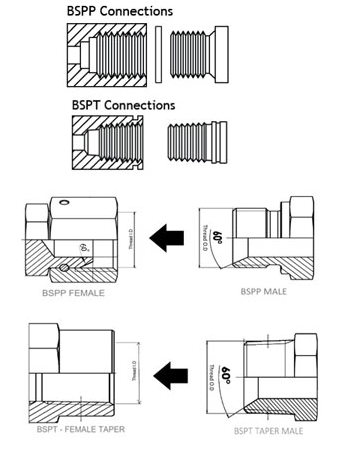
Successful check valve installation adheres to established hydraulic component connection standards. To prevent installation errors, hydraulic system designers frequently specify check valves with asymmetrical port configurations—featuring different thread types on inlet and outlet connections—to ensure proper orientation and eliminate potential mounting mistakes.
This revised version maintains all technical content while presenting the information through restructured sentences, varied vocabulary, and modified phrasing to create a distinct presentation of the original concepts.

Hydraulic Connection Solutions: Ensuring Safety, Efficiency, and Leak-Free Performance
Hydraulic Fitting FAQs: Thread Types & Sealing Methods