Maximizing Hydraulic System Efficiency: A Guide to Quick Coupler Installation
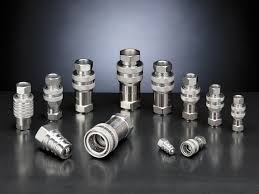
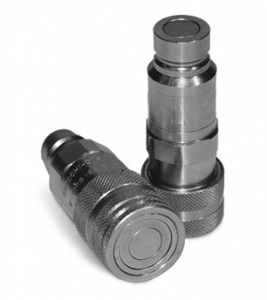
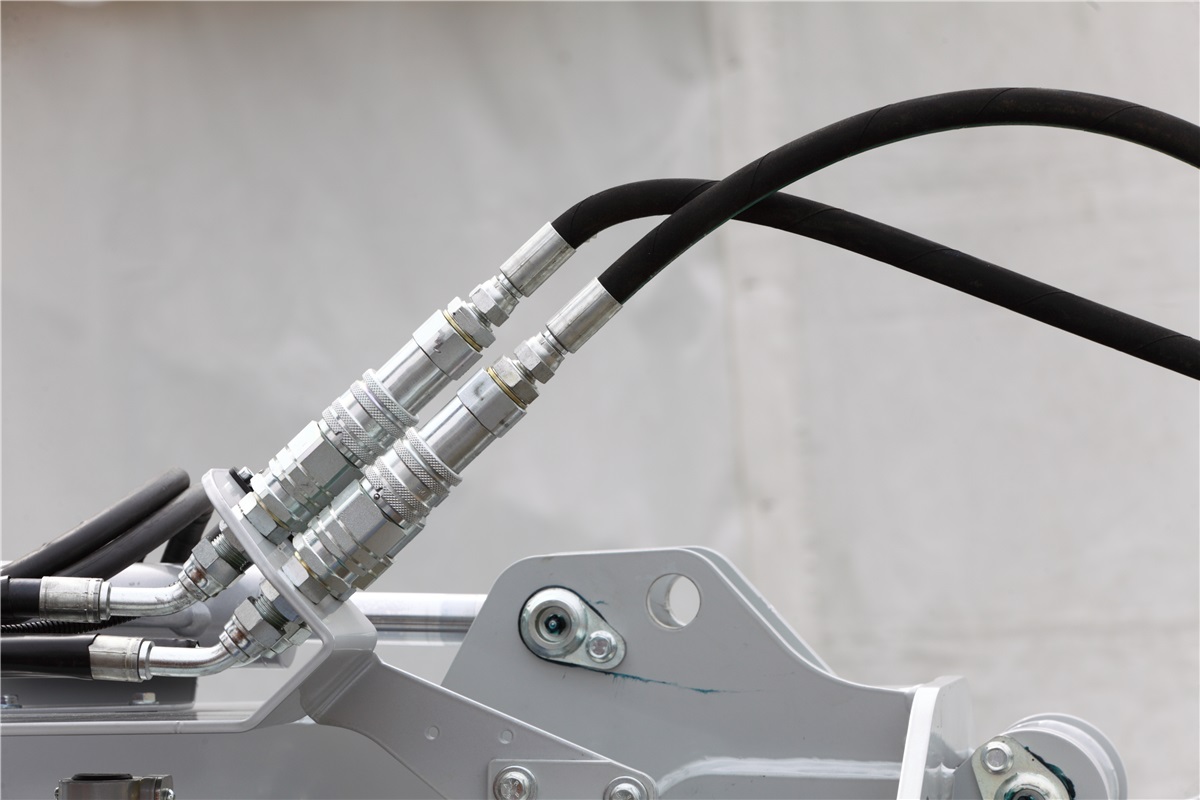
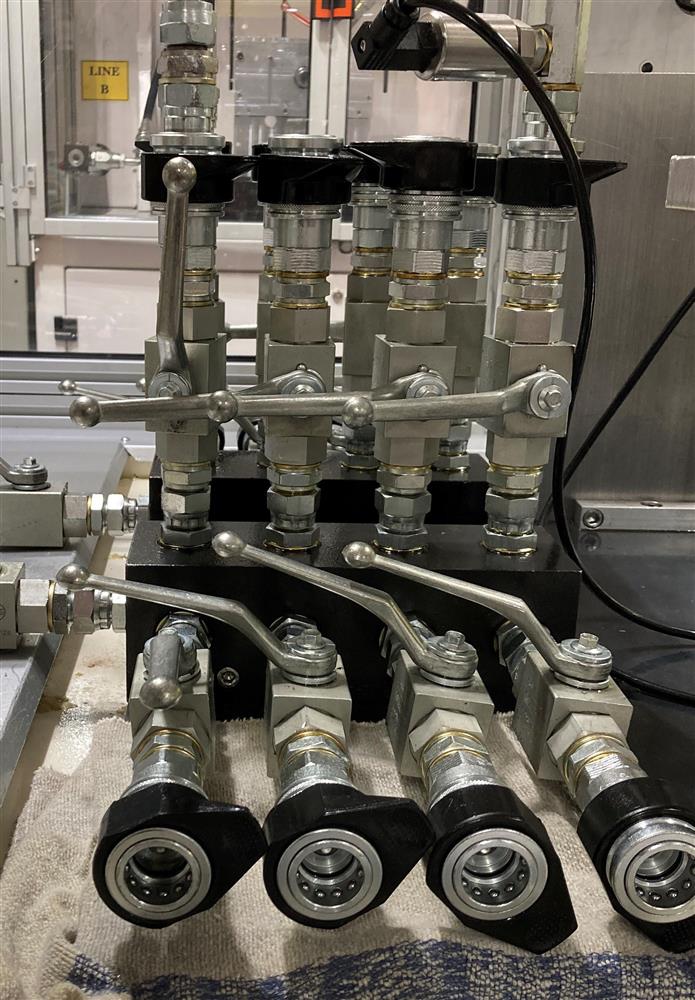
The integration of quick couplers into hydraulic systems delivers significant advantages, notably enhancing assembly speed, disassembly efficiency, and overall portability. However, correct installation is critical to preserving these benefits and ensuring operator safety throughout the system's operational life.
This article outlines key installation guidelines and best practices to optimize performance and safety.
1. Pre-Installation Planning and Selection
The following guidelines are universally applicable to all quick coupler types, including screw-on, push-pull, and sleeve-retraction models.
-
Material Compatibility: Select couplers constructed from materials suitable for the operating environment. Brass or, preferably, stainless steel models are strongly recommended for high-salinity or corrosive conditions.
-
Seal Integrity: Verify that the compound of all gaskets and O-rings is fully compatible with both the hydraulic fluid and the expected ambient, storage, and operating temperatures.
2. Key Installation Best Practices
Proper installation is crucial for maintaining system efficiency and function.
-
Minimize Flow Restrictions: Most quick couplers are single or double shut-off, meaning their internal valves already create a localized pressure drop. Avoid installing unnecessary elbows or other fittings that could further restrict flow and increase energy losses.
-
Observe Flow Direction: While general fluid direction typically does not affect standard coupler performance, it is critical to follow manufacturer instructions when installing units with integrated check valves.
-
Plan for Protection: During the system design phase, ensure adequate space is reserved to fit protective dust caps on the couplers when they are not in use.
3. Troubleshooting Common Installation Problems
Leaks are the most frequent issue arising from improper installation. Proactive measures can prevent them.
-
Pre-Installation Inspection: Carefully inspect all components—couplers, tubes, and fittings—for scratches, imperfections, or debris before assembly.
-
Correct Assembly: Ensure nuts and ferrules are oriented correctly according to manufacturer specifications.
-
Debris Management: Thoroughly clean all tubes after cutting to remove metal shavings and debris, preventing damage to seals and O-rings during connection.
4. Why Choose Feiman Hydraulic Quick Couplers
Feiman provides comprehensive solutions tailored to global market needs, simplifying the selection process.
-
Extensive Product Range: We offer a very wide selection of threaded adapters across all product series.
-
Continuous Expansion: We have recently added 210 new part numbers to our e-commerce catalog, ensuring users can always find the most suitable and efficient coupler for their specific installation requirements.
-
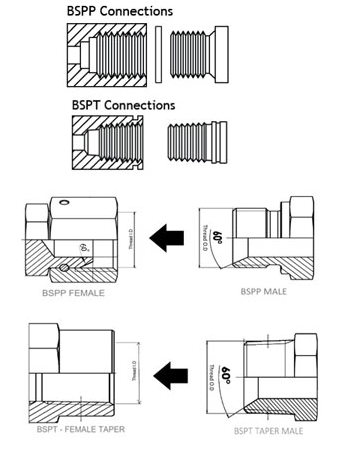
Understanding BSP, BSPP, and BSPT Threads
Exploring the Heart of Hydraulic Systems: Adapter Couplings