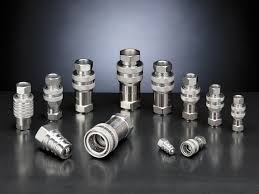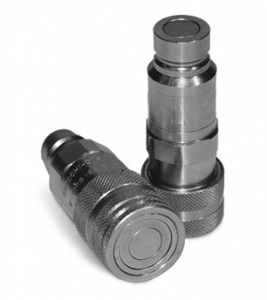
Hydraulic Quick Couplings Propel Upgrades in Industrial Automation and Energy Systems
In modern production lines, automated equipment frequently requires rapid module changes or maintenance. With hydraulic quick couplings, hydraulic lines can be switched quickly, avoiding long downtimes caused by connector replacements. The standardized design also ensures compatibility between different devices, effectively reducing production costs and technical challenges.
In energy systems, such as those in wind power and solar installations, hydraulic systems are used to precisely control key components. Thanks to their excellent sealing performance and high-pressure adaptability, hydraulic quick couplings ensure the stability and safety of systems during prolonged operation. Moreover, these couplings effectively prevent hydraulic oil leaks during energy conversion processes, reducing equipment failure risks and enhancing overall operational efficiency.
Looking forward, hydraulic quick couplings will integrate with Industrial IoT, artificial intelligence, and big data analytics to enable intelligent monitoring and predictive maintenance of hydraulic systems. This evolution will drive industrial automation and energy systems toward higher levels of intelligence and sustainability.
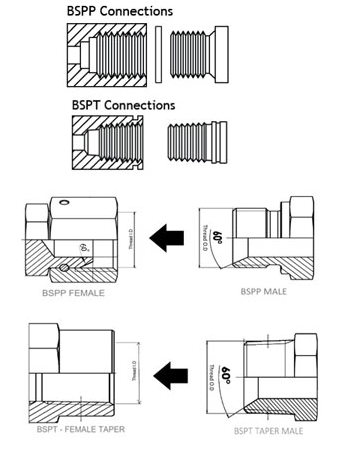
What’s the Difference Between BSP and NPT Thread?
The Key Role of Hydraulic Quick Couplings in Marine Engineering and Vessel Maintenance