Hydraulic Fluids: Power, Applications, and Inherent Risks

Hydraulic fluids are specialized liquids engineered to transmit power within hydraulic systems. They function by converting mechanical energy into fluid pressure, which then actuates components like cylinders and motors. This fundamental principle is applied across numerous industries, including Automotive, Aerospace, Marine, Construction, Agriculture, Die Casting, and Metalworking. These fluids are available in various formulations, each tailored for specific operational demands.
However, the use of these fluids under high pressure is associated with significant dangers. These risks can be effectively mitigated through the selection of high-quality fluids and strict adherence to safety protocols.
Types of Hydraulic Fluids and Their Associated Dangers
The most common categories of hydraulic fluids are:
-
Mineral-Based Fluids: Prized for their cost-effectiveness and reliable performance.
-
Water-Based Fluids: Employed in applications where fire resistance is a primary concern.
-
Synthetic Fluids: Designed for extreme temperature conditions and environments with high fire hazards.
-
Bio-Based Fluids: Utilized in environmentally sensitive areas due to their enhanced biodegradability.
Despite their different properties, all hydraulic fluids must be handled with care. A sudden, high-pressure leak can have severe consequences for both personnel and the environment, including:
-
Fire and Explosions: Ignition can occur if leaked fluid contacts a hot surface or spark.
-
Catastrophic System Failure: A sudden loss of pressure can lead to the uncontrolled collapse of machinery or structures.
-
Severe Skin Burns: Contact with hot, pressurized fluid can cause painful and disabling injuries.
-
Hydraulic Injection Injuries: These are particularly insidious, as they may appear minor initially but can lead to tissue death, severe infection, and blood poisoning if not treated immediately.
-
Inhalation of Toxic Fumes: Released fluid can vaporize, posing a respiratory hazard.
-
Environmental Damage: Leaks, especially of petroleum-based or synthetic fluids, can contaminate soil and groundwater, harming ecosystems.
Health and Environmental Risks
While contact burns from hot fluid are painful and potentially disfiguring, they are not the most dangerous hazard. Hydraulic injection injuries pose a far greater threat. These injuries can introduce toxic chemicals deep into the body, destroying tissue and leading to life-threatening complications that require immediate surgical intervention.
Furthermore, fluid leaks represent a significant environmental threat. They can seep into the ground, polluting water sources and adversely affecting plant, animal, and marine life.
How FEIMAN's Hydraulic Quick Coupler Solutions Mitigate Fluid Risks
The interface between a power unit and hydraulic actuators—where quick couplers are connected and disconnected—is a critical point for potential fluid leaks. The risks are amplified if a coupling is disconnected under pressure.
FEIMAN engineering standards incorporate rigorous safety factors that meet or exceed international benchmarks, making a component failure and subsequent pressure leak an extremely remote possibility.
To prevent leaks caused by operator error during disconnection, FEIMAN couplers integrate several proactive safety features:
-
Standard Locking Sleeves: All FEIMAN couplers compliant with ISO 16028 are equipped with a locking sleeve (collar) that secures the connection, drastically reducing the chance of accidental uncoupling.
-
Additional Safety Collars: For heavy-duty , ultra-high-pressure , and other series , an extra safety sleeve is provided to prevent improper handling by operators.
-
Hydraulic Locking Mechanisms: In applications where safety is paramount, FEIMAN offers series with integrated locking mechanisms that physically prevent disconnection while the system is pressurized. Disconnection remains a safe and simple operation only after pressure has been fully released.
Conclusion
In summary, hydraulic fluids under pressure present substantial health, safety, and environmental hazards due to their chemical properties and operating conditions. Mitigating these risks necessitates a committed approach involving proper procedures, high-quality components, and robust safety measures. FEIMAN's design philosophy is centered on providing coupling solutions that embed these essential safety principles directly into their products.
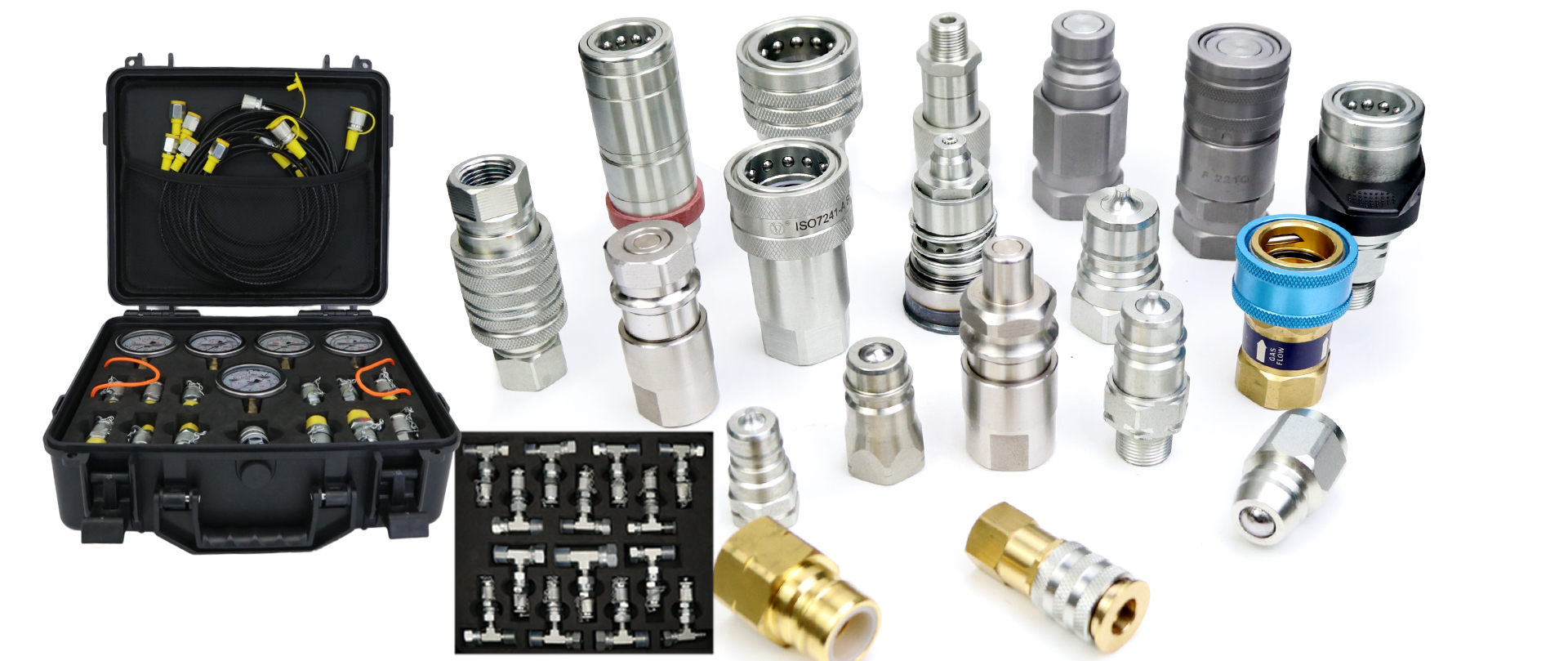
Exploring the Heart of Hydraulic Systems: Adapter Couplings
What are hydraulic solutions?