Hydraulic Fitting FAQs: Thread Types & Sealing Methods
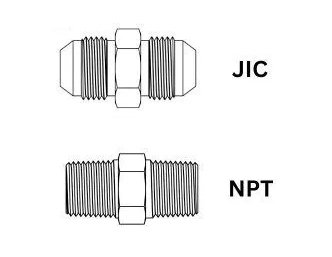
Q1: What is the fundamental difference between NPT and JIC fittings?
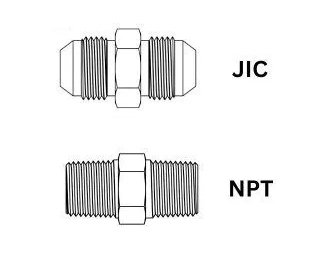
A1: The core distinction lies in their sealing mechanisms:
-
NPT relies on tapered thread wedging requiring sealant
-
JIC utilizes a 37° flare metal-to-metal seal needing no sealant
Q2: How do SAE straight threads differ from NPT threads?
A2: These represent two different sealing approaches:
-
SAE straight threads (ORB/STOR) depend on compressed O-rings
-
NPT tapered threads create seals through thread interference
-
SAE connections generally offer better vibration resistance

Q3: Which hydraulic fitting types incorporate O-rings?
A3: Several common designs utilize O-ring sealing:
-
ORFS (O-Ring Face Seal) - flat face compression design
-
ORB/STOR (O-Ring Boss) - straight thread with base O-ring
-
Metric fittings (DIN 24° cone) - metric threads with O-ring backup
-
SAE 4-Bolt Flange - large O-ring between flange faces
-
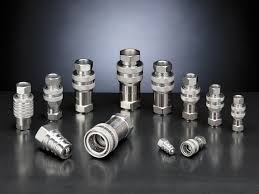
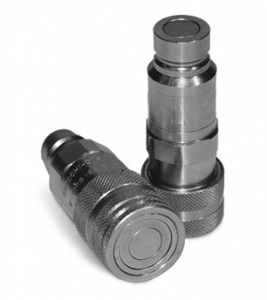
Quick Release Couplings - internal O-rings for leak-free operation
Q4: When should I choose ORFS over JIC fittings?
A4: Consider ORFS when:
-
Zero-leakage requirements are critical
-
Systems experience high vibration
-
Chemical compatibility is crucial
-
Higher pressure ratings are needed
Q5: Why would I select NPT fittings despite potential leakage risks?
A5: NPT remains popular because:
-
Lower initial cost
-
Wide availability globally
-
Suitable for many low-pressure applications
-
Familiarity across industries
Q6: What's the key advantage of quick-release couplings with O-rings?
A6: They provide:
-
Fast, tool-free connection/disconnection
-
Minimal fluid loss during uncoupling
-
Contamination protection
-
Reliable sealing through multiple cycles
Q7: How do I identify different fitting types visually?
A7: Look for these characteristics:
-
NPT: Noticeable taper to the threads
-
JIC: 37° flare cone without threads at sealing surface
-
ORFS: Flat face with visible O-ring groove
-
ORB: Straight threads with O-ring at thread base
Q8: What are the torque requirements for these fittings?
A8: Critical considerations:
-
NPT: Stop at hand-tight plus 2-3 turns maximum
-
JIC: Tighten until flare seats fully (no thread engagement)
-
ORFS: Tighten to specific torque values (consult charts)
-
Always follow manufacturer specifications for optimal performance
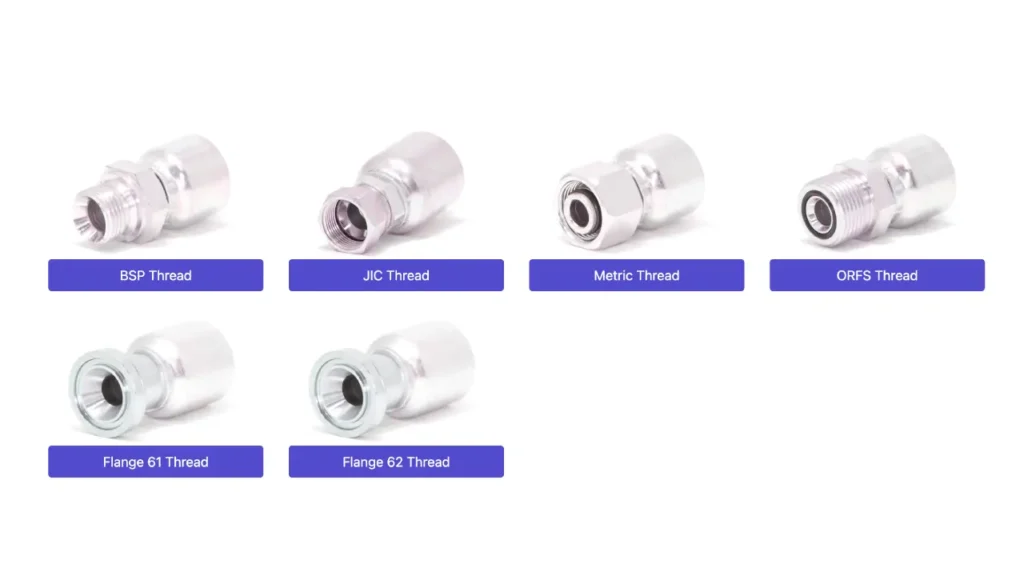
Different threads of hydraulic connectors
| Thread Type | Region / Use | Characteristics |
|---|---|---|
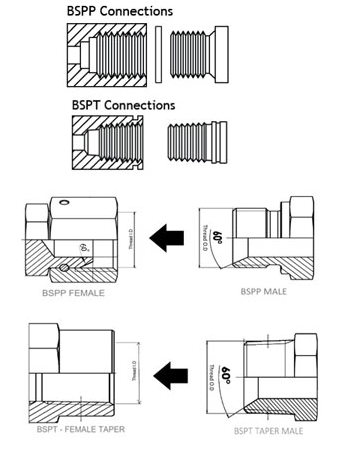
| NPT (National Pipe Taper) | North America | Tapered threads seal by wedging; often require sealant. |
| BSPP (British Standard Pipe Parallel) | Europe, Asia | Parallel threads; need bonded seals (washer or O‑ring). |
| BSPT (British Standard Pipe Taper) | Global (outside NA) | Similar to NPT but with different thread angle; seals on flanks. |
| JIC (37° Flare) | Global | Straight threads with a 37° flare for metal‑to‑metal seal. |
| ORFS (O‑Ring Face Seal) | Global | O‑ring compressed against flat face; excellent leak control and vibration resistance. |
| Metric (e.g., DIN) | Europe, Asia | Parallel threads with 24° cone or O‑ring boss seals. |
The Essential Role of Check Valves in Hydraulic Systems
A Guide to Hydraulic Connectors: Selecting the Right Link for Your System