A Comparative Analysis: ISO 16028 vs. ISO 5675 Hydraulic Couplers
Hydraulic mechanisms are vital across numerous sectors, energizing a vast array of tools from massive construction machines to agricultural implements. They operate by utilizing pressurized liquid to generate force. A key component within these systems is the quick-release coupling, a connector that simplifies the rapid attachment and separation of hydraulic lines.
Understanding Quick Couplers
Quick couplers, also known as instant disconnect fittings, are specialized components that enable the swift joining and detaching of hydraulic hoses. They are extremely convenient as they conserve effort and enhance safety, minimizing the potential for leaks and fluid loss.
The Two Primary Coupler Varieties
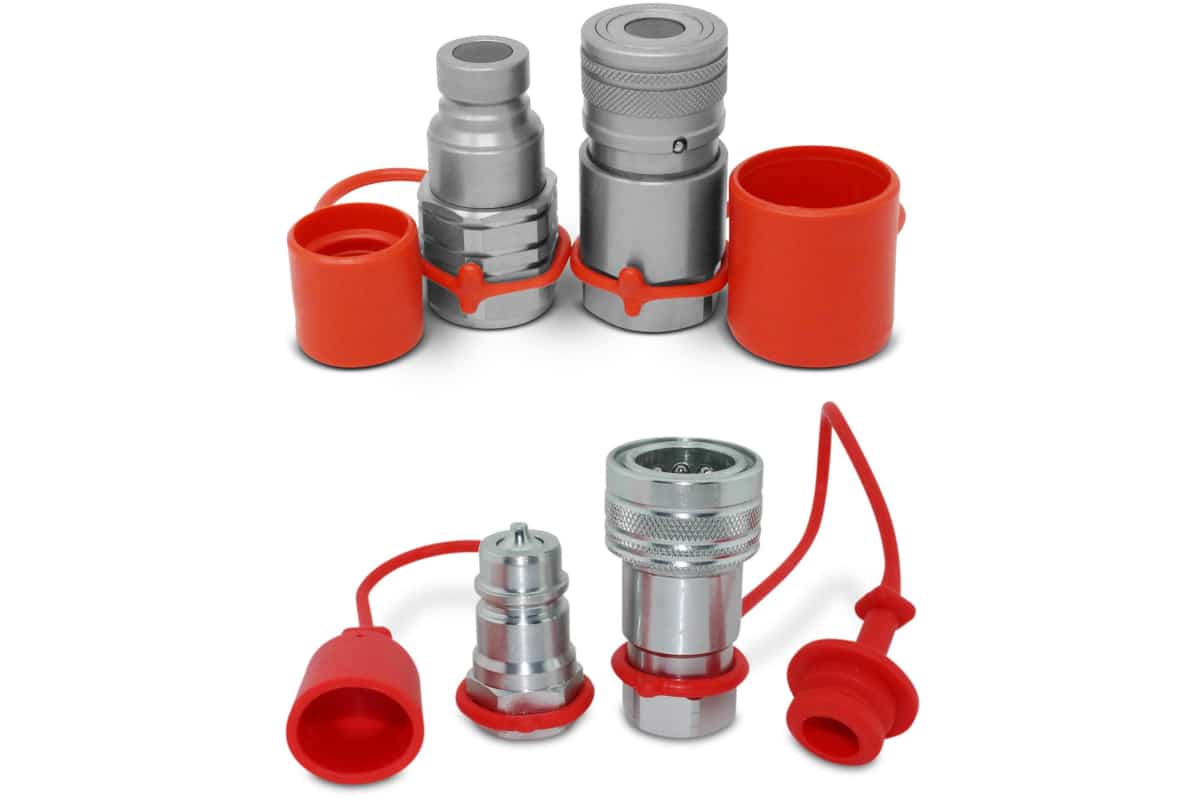
When selecting a quick coupler, numerous choices exist, but two models are particularly common: the Flat Face ISO 16028 and the Agricultural/Pioneer ISO 5675. They may appear comparable initially since both link hydraulic lines, but they possess distinct characteristics that suit them for different purposes.
This article will concentrate on the advantages of the Flat Face coupler over the Agricultural/Pioneer type. We will contrast them to determine which might be more effective for specific duties. This analysis will assist anyone working with hydraulic systems in selecting the appropriate coupler for their requirements.
Design Advantages of Flat Face ISO 16028 Hydraulic Quick Couplers
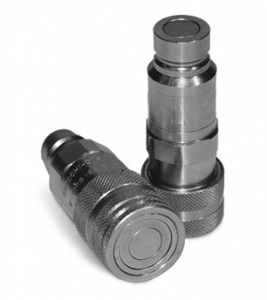
First, we will examine the construction of Flat Face hydraulic quick couplers more closely. These couplers employ a flush-face valve mechanism, ensuring no pocket exists for fluid to escape during linking or unlinking. This architectural trait minimizes potential fluid loss, rendering it perfect for uses where spills are both inefficient and dangerous. The flush-face design also simplifies cleaning and upkeep, lowering the chance of impurities entering the hydraulic system.

Velocity and Productivity
An additional benefit of Flat Face hydraulic quick couplers is the rapidity of linking and unlinking. These couplers are engineered for swift and straightforward connection and separation of hydraulic lines, which cuts down on equipment inactivity. This is especially critical in scenarios where speed is essential, such as in urgent circumstances or high-output manufacturing settings. Furthermore, Flat Face ISO 16028 hydraulic quick couplers have a reduced tendency to bind or freeze up, preventing expensive operational holdups.
Dependability and Service Life
Flat Face ISO 16028 hydraulic quick couplers are also more dependable than Agricultural/Pioneer ISO 5675 hydraulic quick couplers. The flush-face valve design decreases the chance of seepage and deterioration when compared to the poppet valve architecture of Agricultural/Pioneer ISO 5675 hydraulic quick couplers. This leads to a sturdier and more durable hydraulic system, diminishing the necessity for repairs and part substitutions.
Superior Pressure Capacity
Lastly, Flat Face ISO 16028 hydraulic quick couplers possess a greater pressure capacity than Agricultural/Pioneer ISO 5675 hydraulic quick couplers. This makes them appropriate for high-force hydraulic systems that demand dependable and leak-proof connections. The increased pressure rating also implies that Flat Face ISO 16028 hydraulic quick couplers can accommodate a broader spectrum of hydraulic uses, offering enhanced adaptability in system engineering.
Economic Considerations
Evaluating the cost efficiency of each coupler model is fundamental. Flat Face ISO 16028 couplers, while possibly having a higher initial price, can result in financial benefits in the long run. Their resilience and reduced servicing requirements decrease the total cost of ownership. Conversely, Agricultural/Pioneer ISO 5675 couplers might have a lower purchase price but may lead to greater upkeep and substitution costs, particularly in intensive settings.
Ecological and Safety Consequences
The ecological and safety ramifications of each coupler kind are considerable. Flat Face ISO 16028 couplers limit fluid loss, which is not just inefficient but could also pose a danger to the ecosystem and personnel. This lessens the risk of environmental pollution and encourages a more secure worksite. Agricultural/Pioneer ISO 5675 couplers, with their poppet valve design, could present elevated risks regarding leakage and impurity, especially in delicate ecosystems.
Application Appropriateness
Various hydraulic mechanisms and operational settings demand different couplers. Flat Face ISO 16028 couplers are well-suited for high-pressure systems, uncontaminated environments, and applications where fluid loss must be kept to a minimum. They are perfect for construction machinery, industrial automation, and high-performance hydraulic systems. Meanwhile, Agricultural/Pioneer ISO 5675 couplers are frequently employed in farming equipment and other applications where the utmost pressure ratings and spill containment are less critical.

User Experience and Sector Trends
Including user experiences and industrial tendencies is key to comprehending the acceptance and performance levels for each coupler type. Flat Face ISO 16028 couplers are favored in industries where dependability, safety, and ecological factors are top priorities. The Agricultural/Pioneer ISO 5675 couplers, while still prevalent, are better matched for less rigorous applications.
Summary
In summary, Flat Face ISO 16028 hydraulic quick couplers provide better performance and trustworthiness compared to Agricultural/Pioneer ISO 5675 hydraulic quick couplers. Their flush-face valve architecture minimizes spills and contamination, and they are quicker and more convenient to operate than poppet-style couplers. They are also more robust and have a higher pressure capacity, making them apt for a more extensive range of hydraulic applications. Regarding hydraulic quick couplers, Flat Face ISO 16028 couplers are a superior option for anyone seeking a dependable, productive, and adaptable solution for their hydraulic mechanism. We stock a variety of different body size couplers, from 1/4" up to 1".

How Hydraulic Hose Dimensions Determine System Efficiency and Reliability
FEIMAN Hydraulics John Deere Replacement Couplers