Industry Standardization in Motion: How ISO 7241-A Series is Powering Global Fluid Power Efficiency
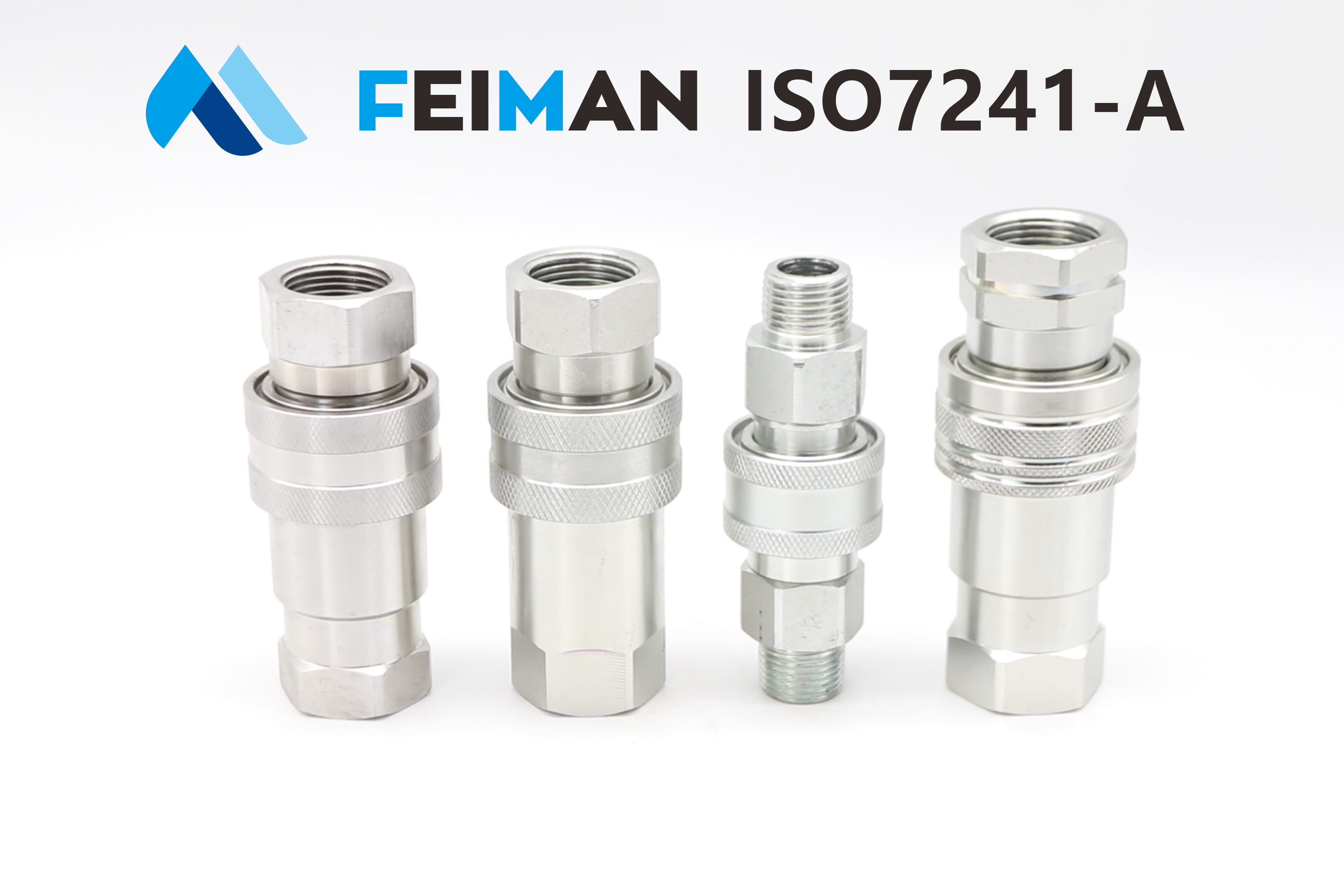
Solving the Critical Downtime Problem
The primary application and value of the ISO 7241-A standard lie in its ability to eliminate costly cross-compatibility issues. Before its widespread adoption, manufacturers used proprietary coupling designs, locking end-users into a single supplier and creating logistical nightmares on worksites.
"Imagine a scenario where a rental excavator from one manufacturer cannot connect to a hydraulic breaker from another," explained a project engineer for a major construction firm. "ISO 7241-A has eradicated that problem. It ensures that any A-series compatible implement can be connected to any A-series compatible machine, anywhere in the world. This slashes downtime and provides immense flexibility."
Key Features Driving Widespread Application
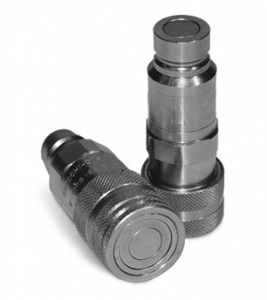
The technical design of ISO 7241-A couplings is central to their success. Their defining "flat-face" characteristic offers significant advantages over older, poppet-style designs:
-
Minimal Fluid Loss and Spillage: Upon disconnection, the flat-face design seals fluid within the coupling, preventing leakage. This is critical for environmental protection, workplace safety, and reducing hydraulic fluid consumption.
-
No Pressure Loss During Connection: The design allows for virtually zero-pressure coupling, making connection and disconnection safer and easier for operators, reducing the risk of accidents.
-
Automatic Air Expulsion: The coupling mechanism naturally purges air from the system during connection, preventing airlocks that can lead to system damage and inefficiency.
Applications Across Core Industries
The standard's application is ubiquitous in mobile hydraulics:
-
Construction: The ability to quickly switch between attachments like breakers, grapples, compactors, and augers on a single carrier machine is a core operational requirement. ISO 7241-A makes this "one machine, many tasks" model efficient and reliable.
-
Agriculture: Modern farming relies on tractors that connect to a vast array of implements—from balers and seeders to mowers and loaders. The standard ensures that farmers can use equipment from different manufacturers without modification.
-
Material Handling and Industry: In factories and warehouses, these couplings are used on machinery for waste handling, logistics, and assembly lines, where quick tool changes are essential for operational throughput.
The Future is Standardized
As the industry moves towards greater sustainability and connectivity under the Industry 4.0 framework, the role of standardized components like ISO 7241-A couplings becomes even more critical. They provide the physical interface necessary for the flexible, automated, and data-driven worksites of the future.
"For OEMs, designing to this international standard is no longer an option; it's a market expectation," stated a product manager for a leading coupling manufacturer. "It future-proofs their equipment and directly enhances the end-user's return on investment through unparalleled versatility and reduced downtime."
The continued adoption and evolution of the ISO 7241-A standard underscore a clear industrial trend: in a globalized world, universal compatibility is not just a convenience—it is a powerful driver of productivity and innovation.
How to Replace Bobcat Hydraulic Quick Couplers
Hydraulic Fitting Differences: Metric vs JIC vs BSP vs NPT Explained