What is the impact of hydraulic O rings on hydraulic quick coupler?
2025-10-17
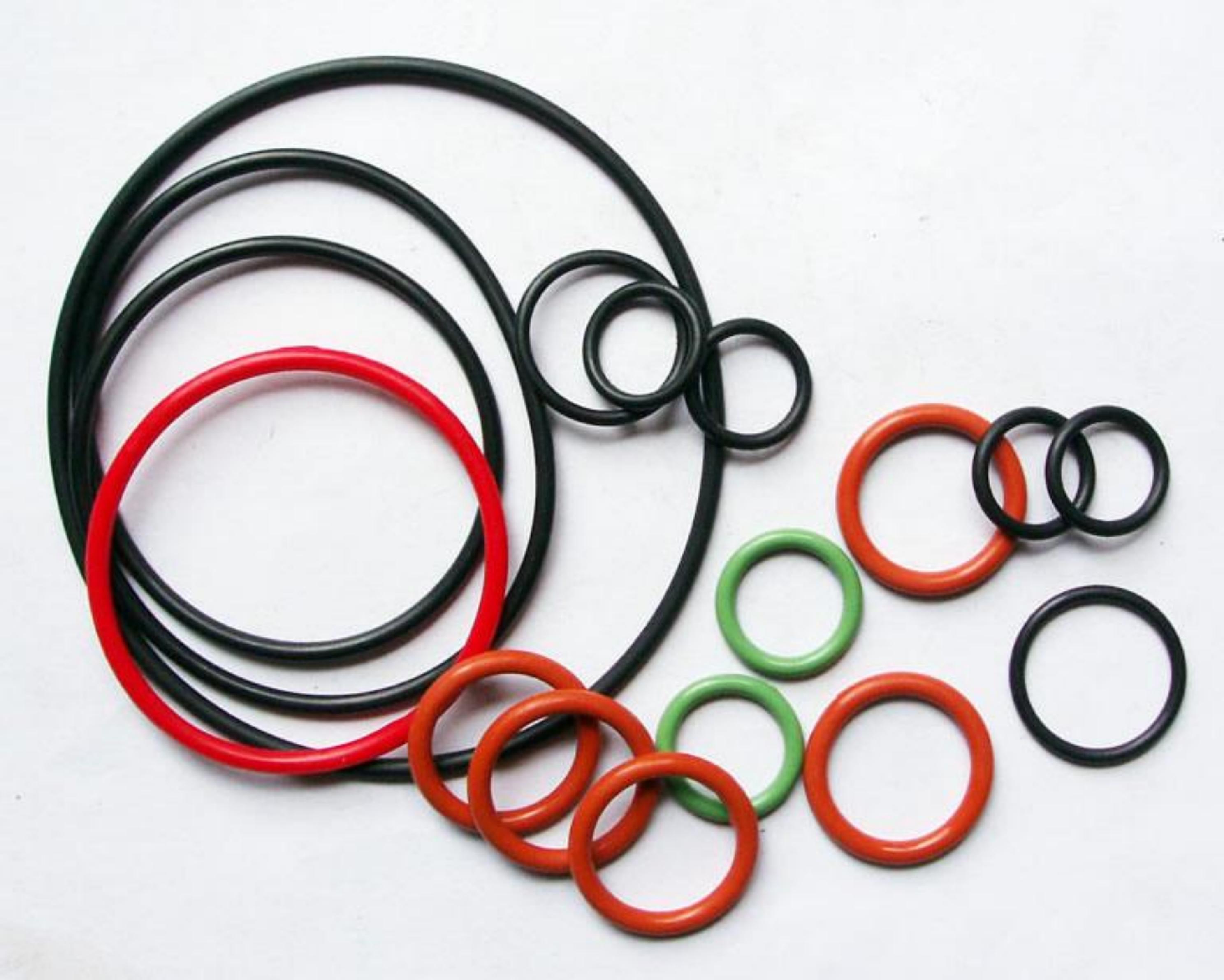
The material of the sealing ring critically influences a hydraulic quick connector's compatibility with specific fluids, operational temperature range, and wear resistance. Choosing the right material, such as nitrile (NBR) for general hydraulic fluids or Viton (FKM) for high temperatures, is crucial for preventing leaks, ensuring system efficiency, and prolonging the connector's lifespan. Incorrect sealing materials can lead to fluid leaks, system contamination, reduced performance, and potential safety hazards.
Influence of different sealing ring materials
- Nitrile (NBR): A versatile and cost-effective choice, it is compatible with most petroleum-based hydraulic fluids. It is not suitable for all specialized fluids or extreme temperatures.
- Viton (FKM): Offers excellent resistance to high temperatures and various chemicals, making it ideal for demanding hydraulic systems.
- EPDM (Ethylene Propylene Diene Monomer): A good choice for systems using water-glycol hydraulic fluids or for outdoor pneumatic applications.
- Silicone: Suitable for food-grade hydraulic systems but has poor wear resistance, which can lead to premature failure.
- Teflon (PTFE): Provides exceptional chemical inertness and temperature resistance, making it suitable for harsh applications. However, its low elasticity means it is often used with an energized O-ring backup, like NBR, to function effectively as a static seal.
- Aflas: Exhibits excellent heat and chemical resistance and is used in demanding applications, such as the oil and gas industry.
Other factors to consider
- Hydraulic fluid type: The chemical composition of the fluid (e.g., mineral oil, synthetic, water-glycol) dictates which seal material will be compatible.
- Operating temperature: Different materials have different temperature limitations; some are suitable for high-heat environments while others perform poorly at extreme temperatures.
- Pressure and wear: The application's pressure and the rate of wear can influence the choice of material. For instance, high-pressure applications may require backup rings or specialized materials to prevent extrusion.
- Friction and dynamic applications: Materials with low friction, like Teflon (PTFE), are better suited for dynamic applications such as pumps, and they reduce "stick-slip" effects.

Quick Couplings in Carpet Cleaning
Differences between the ISO A and ISO B Quick Couplings